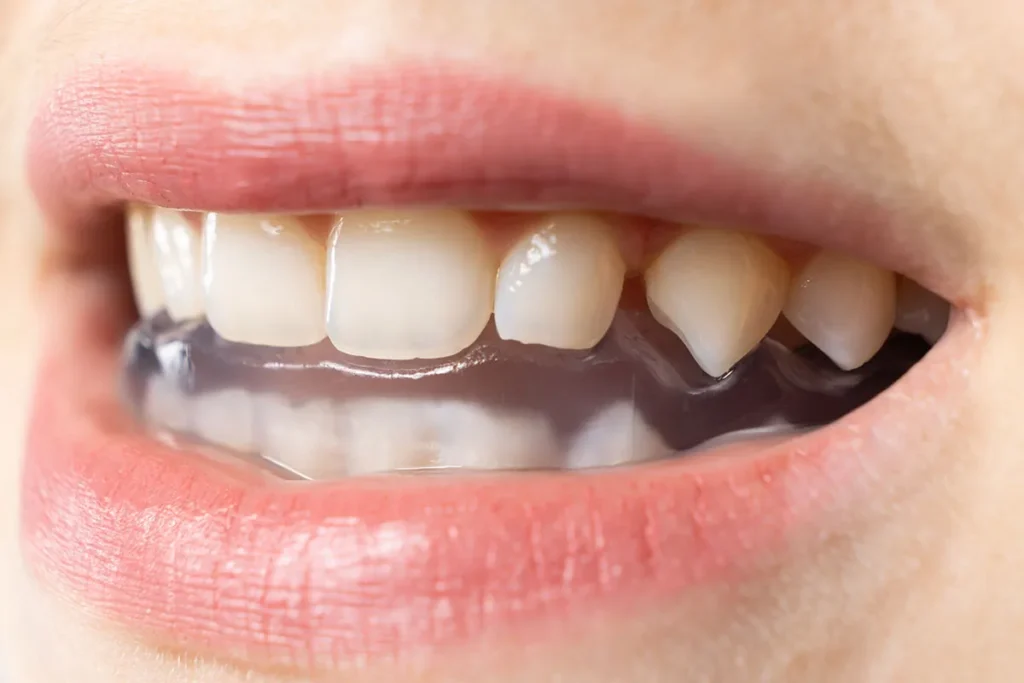
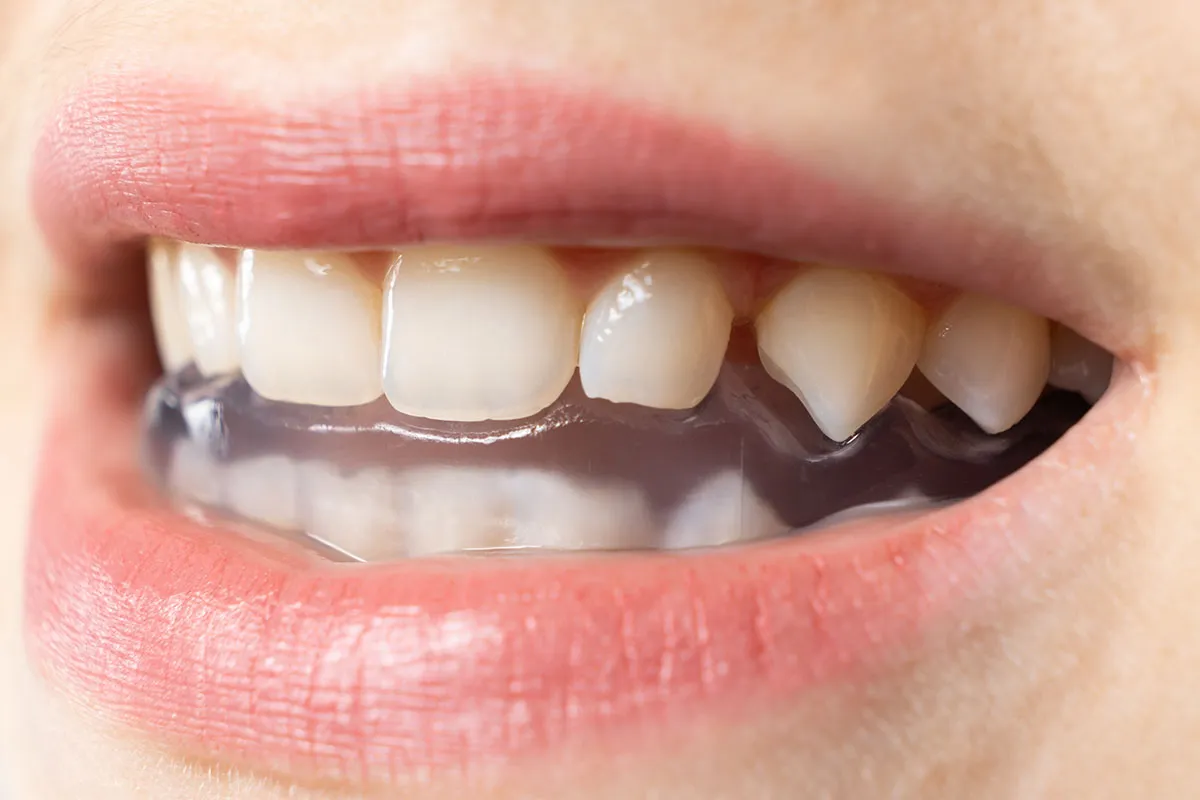
Depuis des décennies, attelles dentaires (protections nocturnes) ont été le traitement standard pour les patients présentant des symptômes de DTM - de la douleur à la mâchoire et du serrement de dents aux maux de tête et à l'usure des dents. Mais notre compréhension de l'anatomie faciale et de la physiologie musculaire a évolué, de même que notre approche du traitement de la cause profonde des troubles musculo-dentaires.
Aujourd'hui, de plus en plus de dentistes intègrent le Botox thérapeutique dans leurs protocoles TMD, en particulier pour les patients dont les symptômes sont principalement musculaires. Voici pourquoi.
Les limites de la thérapie traditionnelle par attelle
Les gouttières jouent un rôle important dans la protection des dents et la gestion des divergences occlusales, mais elles présentent des difficultés :
- Ils s'appuient sur un diagnostic parfaitLe succès de la thérapie par gouttière dépend d'une interprétation précise de l'occlusion - et de nombreux cas de TMD sont en fait musculaires et non liés à la morsure.
- Ils nécessitent une forte adhésion des patientsLes attelles doivent être portées en permanence et de nombreux patients cessent de les utiliser en raison de l'inconfort, de l'encombrement ou de la perturbation du sommeil.
- Le soulagement peut être lentLes ajustements répétés alourdissent la charge de travail des praticiens.
- Ils ne traitent pas l'hyperactivité musculairesi la véritable source de la douleur est musculaire (comme c'est souvent le cas), les attelles peuvent ne pas résoudre le problème.
Pourquoi le Botox thérapeutique change-t-il la donne dans le traitement des troubles musculo-squelettiques ?
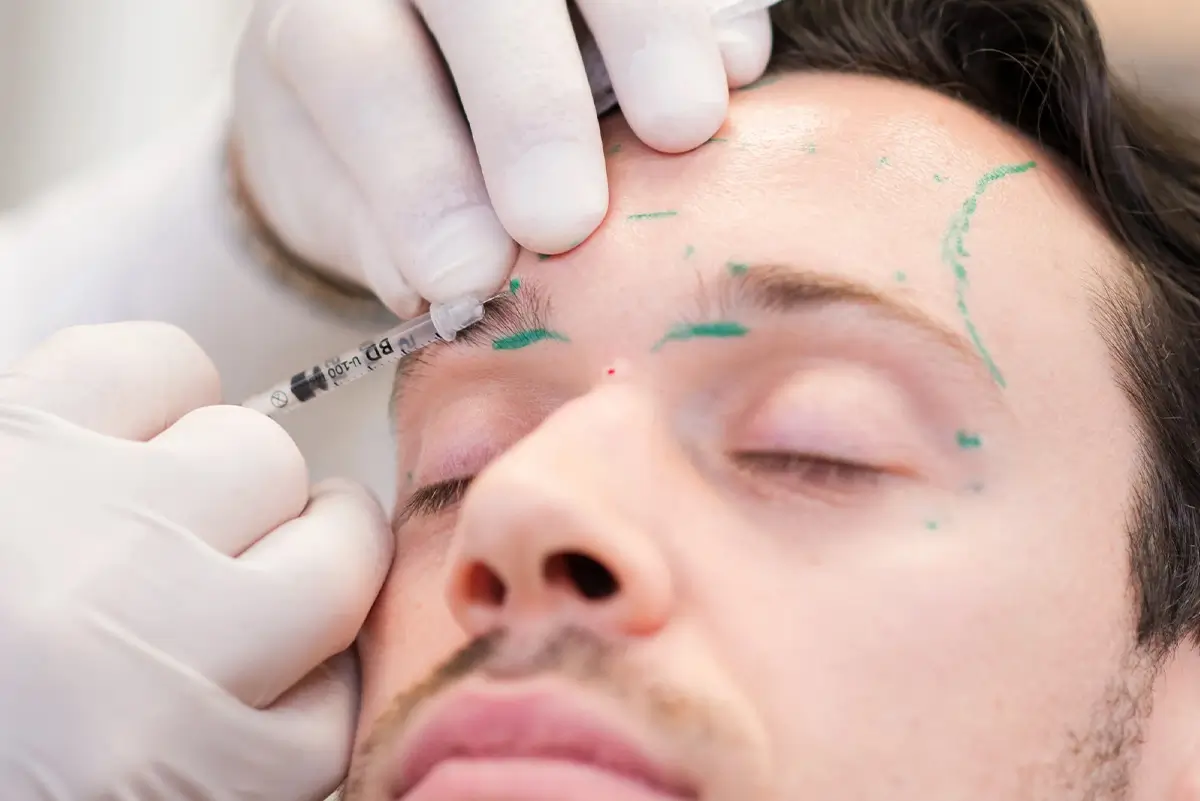
La toxine botulique offre une approche prévisible, basée sur l'anatomie, pour traiter les TMD musculaires.
- Relaxation musculaire directe: Le Botox réduit l'hyperactivité des muscles masséters, temporaux et faciaux à l'origine de la douleur, de la crispation et des maux de tête.
- Un soulagement rapide et perceptibleLa plupart des patients font état d'une amélioration au bout d'une à deux semaines, et les effets durent de trois à quatre mois.
- Pas besoin de l'accord du patientune fois traité, le soulagement survient quelles que soient les habitudes du patient, ce qui constitue un avantage majeur par rapport aux attelles.
- Avantages esthétiques supplémentairesLes patients remarquent souvent un adoucissement de la mâchoire et une amélioration de la symétrie du visage, ce qui augmente la satisfaction et la valeur perçue.
La synergie : Attelles + Botox
L'avenir du traitement des troubles musculo-dentaires ne se résume pas à une opposition entre attelles et Botox, mais à une approche intégrée. Les attelles protègent les dents, tandis que le Botox traite l'hyperactivité musculaire à l'origine de la douleur. Ensemble, ils permettent d'obtenir des résultats plus complets et plus prévisibles pour les patients.
En savoir plus dans la présentation du Dr.
Pourquoi choisir PTIFAT pour la formation ?
PTIFAT est reconnu dans toute l'Amérique du Nord comme le leader de la thérapeutique faciale basée sur l'anatomie. Notre formation comprend
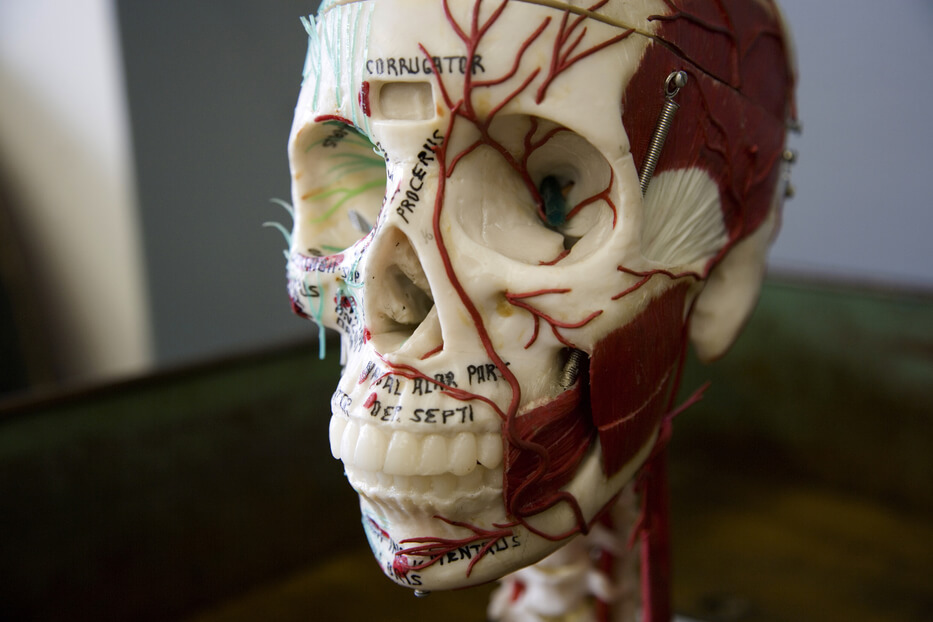
- Fondements de l'anatomie de la tête et du cou (16+ hrs)
- Analyse EMG pour le diagnostic de l'hyperactivité musculaire
- Protocoles de dosage et d'injection fondés sur des données probantes
- Stratégies d'intégration clinique pour les cabinets dentaires
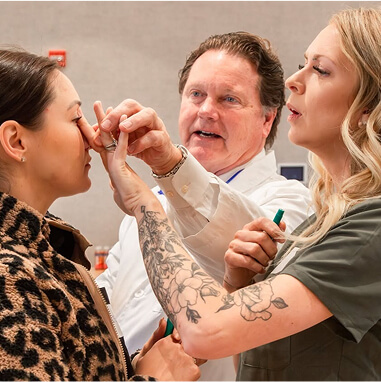
- Formation clinique intensive avec de vrais patients
Les dentistes sont diplômés de l Formation de niveau 2 avec la confiance nécessaire pour diagnostiquer plus précisément les troubles musculo-dentaires et proposer des thérapies qui vont au-delà des soins traditionnels fondés sur l'utilisation d'attelles.
Alors que la dentisterie continue d'adopter une approche plus globale de la douleur faciale et du bien-être bucco-facial, le Botox thérapeutique est devenu un outil essentiel pour traiter les PTM musculaires. Associé à la thérapie traditionnelle par attelle, il offre un soulagement plus rapide, une plus grande satisfaction du patient et des résultats à long terme plus prévisibles.


 ® Cours de recyclage