

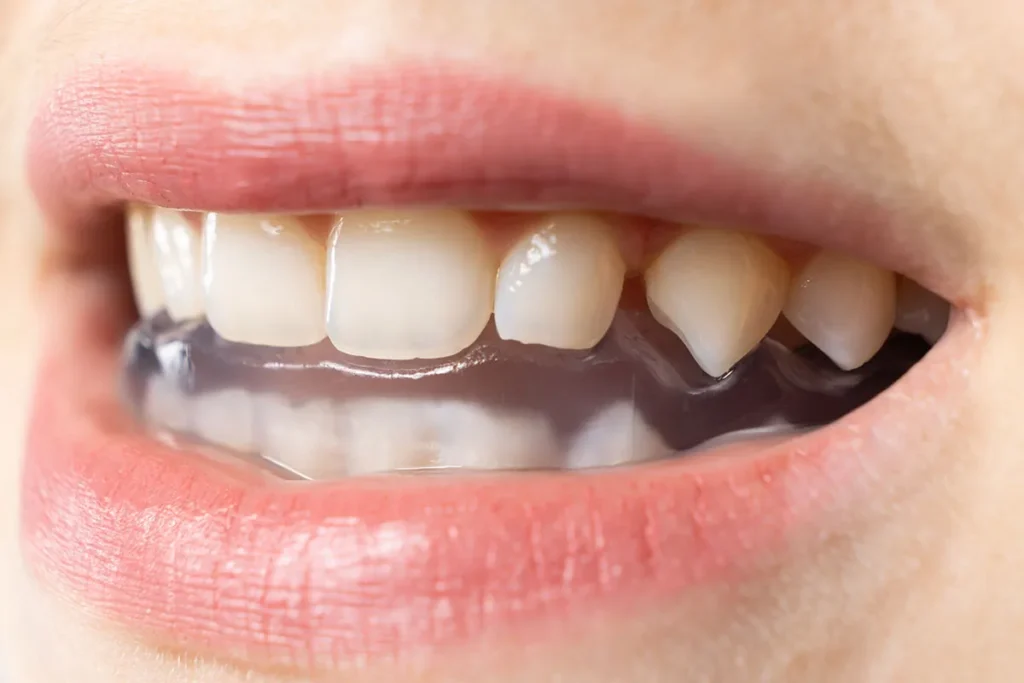
For decades, dental splints (nightguards) have been the standard treatment for patients with TMD symptoms — from jaw pain and clenching to headaches and worn teeth. But as our understanding of facial anatomy and muscle physiology has evolved, so has our approach to treating the root cause of TMD.
Today, more dentists are integrating therapeutic Botox into their TMD protocols, particularly for patients whose symptoms are primarily muscular. Here’s why.
The Limits of Traditional Splint Therapy
Splints play an important role in protecting teeth and managing occlusal discrepancies, but they come with challenges:
- They rely on perfect diagnosis: successful splint therapy depends on precise occlusal interpretation — and many TMD cases are actually muscular, not bite-related.
- They require strong patient compliance: splints must be worn consistently, and many patients stop using them due to discomfort, bulkiness, or sleep disruption.
- Relief can be slow: it often takes weeks or months to feel improvement, and repeated adjustments add to practice workload.
- They don’t treat muscle hyperactivity: if the true source of pain is muscular (as it is in many cases), splints may not solve the problem.
Why Therapeutic Botox Is a Game-Changer for TMD
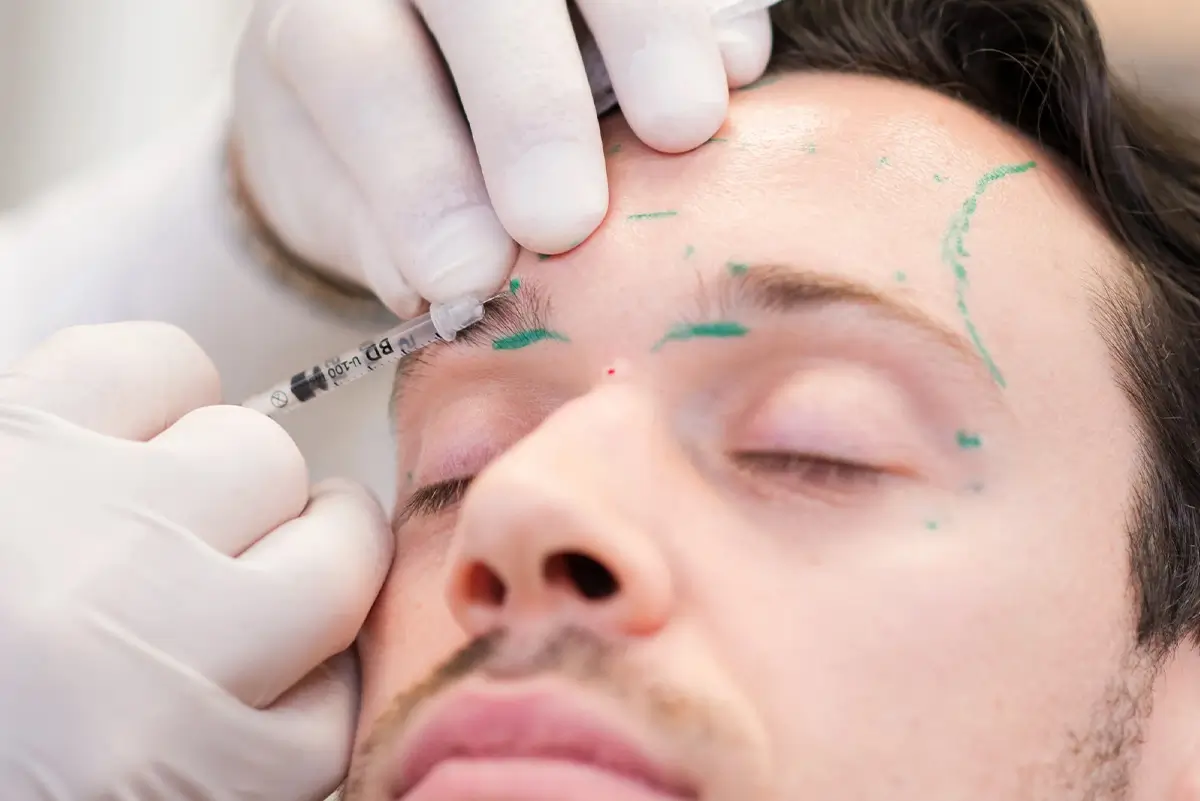
Botulinum Toxin offers a predictable, anatomy-based approach to treating muscular TMD.
- Direct muscle relaxation: Botox reduces overactivity in the masseter, temporalis, and facial muscles that drive pain, clenching, and headaches.
- Fast, noticeable relief: most patients report improvement within 1–2 weeks, with effects lasting 3–4 months.
- No patient compliance needed: once treated, the relief occurs regardless of patient habits — a major advantage over splints.
- Additional aesthetic benefits: patients often notice a softer jawline and improved facial symmetry, increasing satisfaction and perceived value.
The Synergy: Splints + Botox
The future of TMD treatment isn’t “splints vs. Botox” — it’s an integrated approach. Splints protect the teeth, while Botox treats the muscle hyperactivity causing pain. Together, they provide a more comprehensive and predictable outcome for patients.
Learn More in Dr. Roberts’ presentation
Why Choose PTIFAT for Training?
PTIFAT is recognized across North America as the leader in anatomy-based facial therapeutics. Our training includes:
- Foundations of head and neck anatomy (16+ hrs)
- EMG-analytics for diagnosing muscle hyperactivity
- Evidence-based dosing and injection protocols
- Clinical integration strategies for dental practices
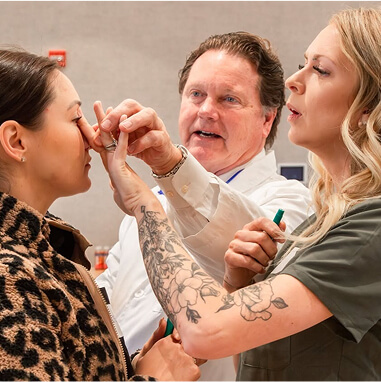
- Extensive clinical hands-on training with real patients
Dentists graduate from the Level 2 course with the confidence to diagnose TMD more accurately and provide therapies that go beyond traditional splint-based care.
As dentistry continues to embrace a more comprehensive approach to facial pain and oral–facial wellness, therapeutic Botox has become an essential tool for treating muscular TMD. When combined with traditional splint therapy, it offers faster relief, higher patient satisfaction, and more predictable long-term outcomes.




 ® Refresher Course