

Nova Scotia has formally approved Botox® and dermal fillers for dentists
The Provincial Dental Board of Nova Scotia (PDBNS) has established a formal Standard of Practice for the Use of Botulinum Toxin (Type A) and Esthetic Therapies. Dentists must apply to the PDBNS and receive a certificate before providing any of the levels of care outlined in the standard.
Providing these services without a PDBNS certificate is considered professional misconduct and will result in disciplinary action.
The six-level certification pathway
- Level 1 — Applied Anatomy Review & Introduction to Neuromodulators
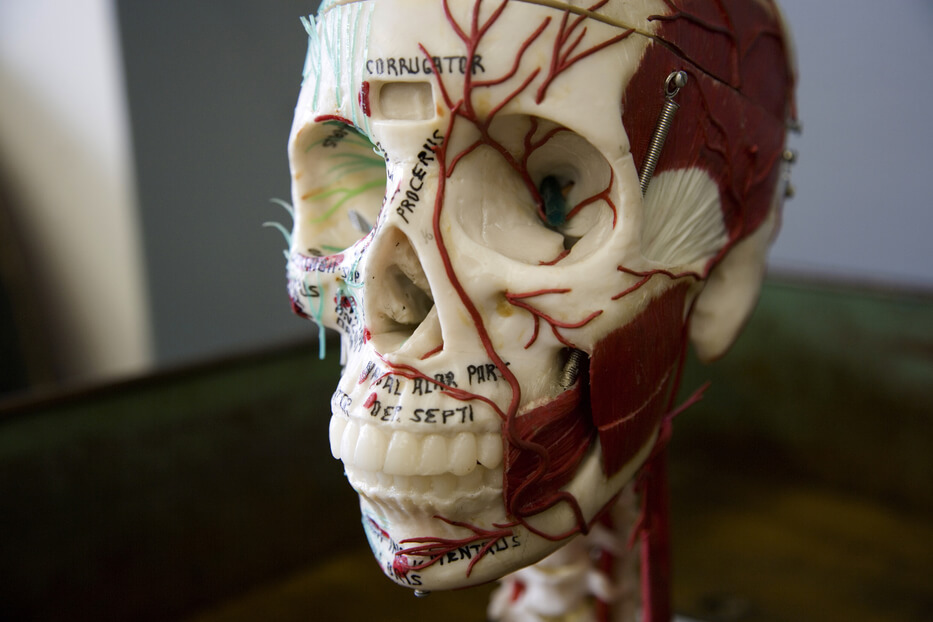
- Mandatory foundational course. Does not authorize patient treatment. Minimum 8 hours didactic plus 4 hours anatomical cadaver lab.
- Level 2 — Basic Neuromodulators: Upper Face & Bruxism
- Authorizes neuromodulators for the upper face and bruxism treatment (temporalis and masseter). Minimum 8 didactic hours and 8 hours live patient training on a minimum of 6 patients.
- Level 3 — Advanced Neuromodulators: Mid-Face, Lower Face & Neck
- Advances into mid and lower face and neck, including myofascial pain, migraines, and trigger point therapy.
- Level 4 — Dermal Fillers & Deep Muscles of Mastication
- Introduces dermal fillers and neuromodulator treatment for deep muscles of mastication.
- Levels 5 & 6 — Advanced Surgical and Non-Surgical Procedures
- Reserved for qualified Oral and Maxillofacial Surgeons only.
The 20-case requirement and random audits
Before commencing Level 3 training, dentists must complete at least 20 Level 2 cases (which may include the 6 patients treated during the educational program). Patient records must be submitted to the PDBNS for review.
Similarly, at least 20 Level 3 cases must be completed before commencing Level 4 training.
Nova Scotia explicitly states that holders of certificates may be subject to random audits by the PDBNS. Records must be current, complete, and accessible at all times.
View the Nova Scotia guidelines
View the standards of practice below or click here to view them on the PDBNS’s website.
Standard of Practice:
Facial Esthetic Therapies
& Adjunctive Procedures
View the Standard of Practice.
Key requirements
- Patient records include history, clinical examination, photographs, and full documentation
- Treatment is part of a comprehensive dentofacial or maxillofacial treatment plan
- Informed consent obtained and documented, including discussion of alternatives
- Minimum 10 hours of continuing education in facial esthetics per 3-year CE cycle to maintain certification
- Pre- and post-treatment photographs mandatory
Meeting the PDBNS’s documentation requirements requires a consistent, reliable system from day one.
PTIFAT recommends Facetec as the preferred tool for clinical photography and patient documentation. Designed specifically for dentists, Facetec streamlines photo capture, patient records, and case documentation, making it easier to build your 20-case portfolio and maintain the standards required by the PDBNS.
Learn more about FacetecWhere treatment can be provided
Treatment must take place in an appropriate dental facility or clinical setting compliant with PDBNS infection prevention and control guidelines.
PTIFAT is an accredited education provider
The PDBNS requires dentists to complete training through a college-approved institution at each level. PTIFAT is an accredited educational provider and our programs are specifically designed to meet and exceed the Nova Scotia Standard of Practice.
It is the dentist’s responsibility to confirm that any training program they enroll in is approved by their college before beginning.
View our approved training pathwayReady to meet Nova Scotia’s requirements?
PTIFAT’s Level 1 and Level 2 programs cover anatomy, injection technique, documentation protocols, and practice integration — everything you need to obtain your certificate with confidence.
Speak to an educational advisor

 ® Refresher Course